
The African Parent Logo

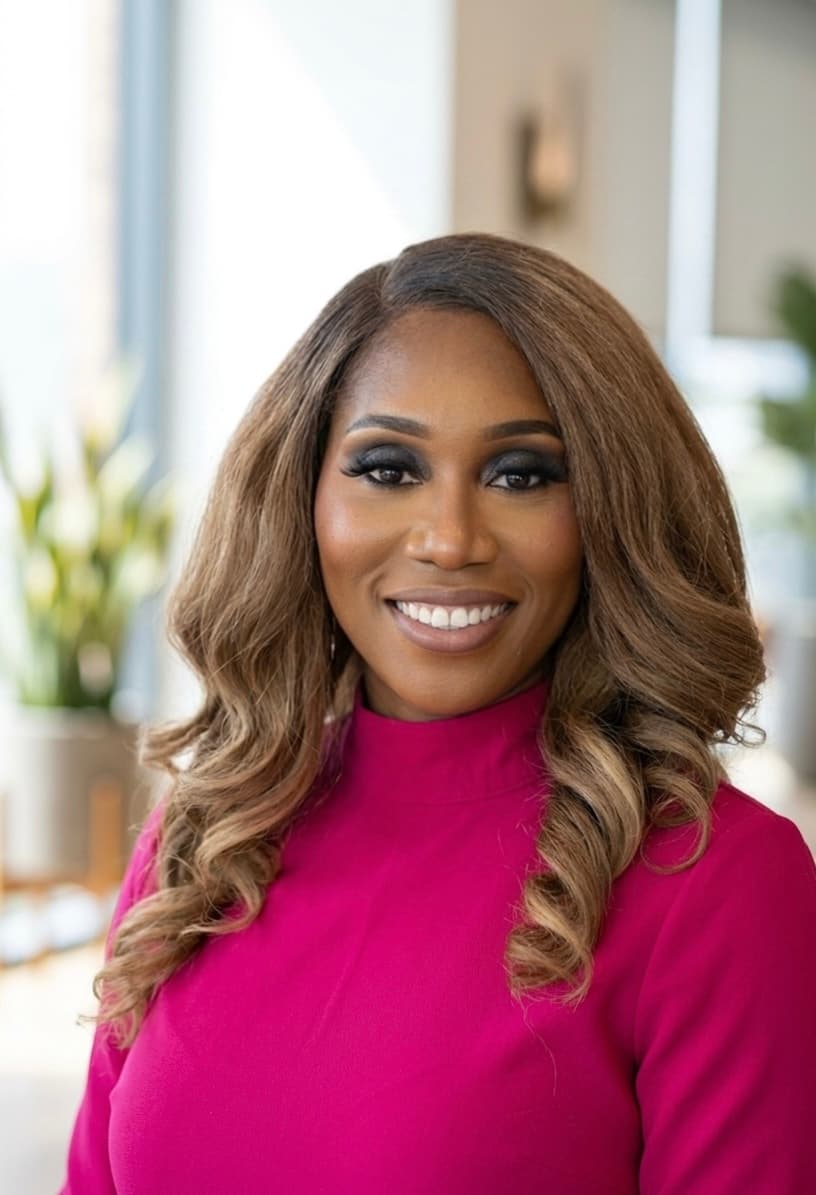
Meet Anne-Rose.

Founder of The African Parent, Systems and Culture Consultant, former school governor, and a British-Nigerian mother.

She built this platform after learning something that changed how she understood her own situation: schools do not respond to distress. They respond to process.

Anne-Rose Obidi, founder of The African Parent
“I am not an academic who studied African families from a distance. I am a mother who fought these battles, and a consultant who has seen the system from both sides.”

The fight that changed everything

My daughter was being bullied at school. Repeatedly. The incidents were documented, witnessed, and reported. The school's response was to call it children falling out and suggest my daughter needed to be more resilient.

When the bullying escalated to racial slurs, I reported it formally under the school's own anti-bullying policy. The response became: we will monitor the situation. Monitoring meant nothing changed.

I spent weeks writing polite emails. I attended meetings where I was told I was overreacting. I documented every incident, every conversation, every broken promise.

Then I changed my approach.

I submitted a formal complaint citing the school's failures under the Equality Act 2010. I referenced their Public Sector Equality Duty. I provided a timeline of repeated policy breaches. I requested a formal investigation and a written response within statutory timeframes.

The tone changed immediately. Within two weeks, the bullying stopped. The school updated its behaviour policy. My daughter went back to school safely.

That case clarified something: schools respond to process, not emotion. They respond to evidence, not distress. And they respond to parents who understand the system well enough to use it.

I built The African Parent so other parents would not have to learn this the hard way.
Three sides of the same system

Parent, governor and advocate. Each role showed a different part of how schools treat African families.

  1. 01

    As a parent

    I know what it's like to:

    • Sit in a school meeting and be told "your child is too sensitive" when they report racism.
    • Have teachers mispronounce my children's names for months without trying to learn them.
    • Watch my bright, capable child be steered away from top sets.
    • Be labelled "difficult" for advocating firmly.

    I've written the complaint letters. I've escalated to governors. I've attended meetings with evidence files. I've cried in frustration after being dismissed. I know this fight because I've lived it.

  2. 02

    As a school governor

    In my time as a governor, I've seen:

    • Well-meaning teachers hold lower expectations for Black students without realising it.
    • Behaviour policies applied inconsistently by race.
    • African parents labelled "aggressive" for the same advocacy White parents are praised for.
    • Talented Black children overlooked for gifted programmes.

    I understand the system. I understand how bias operates. I understand that most teachers genuinely want to do right but don't have the tools or awareness.

  3. 03

    As an advocate

    I've:

    • Supported over 200 families through school advocacy challenges since 2022.
    • Successfully challenged school exclusions using the Equality Act.
    • Secured EHCPs for children whose parents were told "they don't qualify."
    • Trained several schools on recognising and reducing bias.

    The advocacy strategies I learned through trial and error are now accessible to everyone who needs them.

Why The African Parent exists

01

Why it exists

African parents in the UK face disproportionate exclusions, lower teacher expectations, and systemic bias that operates even in well-meaning schools.

02

Levelling the playing field

When we advocate, we're labelled aggressive or difficult for the same behaviour that gets White parents praised as engaged.

03

Accountability and change

Parents get the tools to hold schools accountable using the system's own language. Educators get training on how bias shows up in practice.

“I believe we can create schools where African children are seen, supported, and set up for success, and that parents and educators can work together to get there.”

What qualifies me to do this work

Professional background

  • Systems and Culture Consultant
  • Expertise in the Equality Act 2010 and school accountability frameworks
  • MBA Psychology
  • Former school governor overseeing behaviour, safeguarding and equalities policies

Track record

  • Supported 200+ families through school advocacy (2022 to present)
  • Challenged exclusions, secured SEND support, resolved bullying cases
  • Trained schools on bias recognition and culturally responsive practice
  • Developed advocacy resources used by parents across the UK

Lived experience

  • Parent navigating the UK education system as part of the African diaspora
  • British-Nigerian family raising children in a system not designed for them

How I work

The beliefs that shape every session, resource and training.

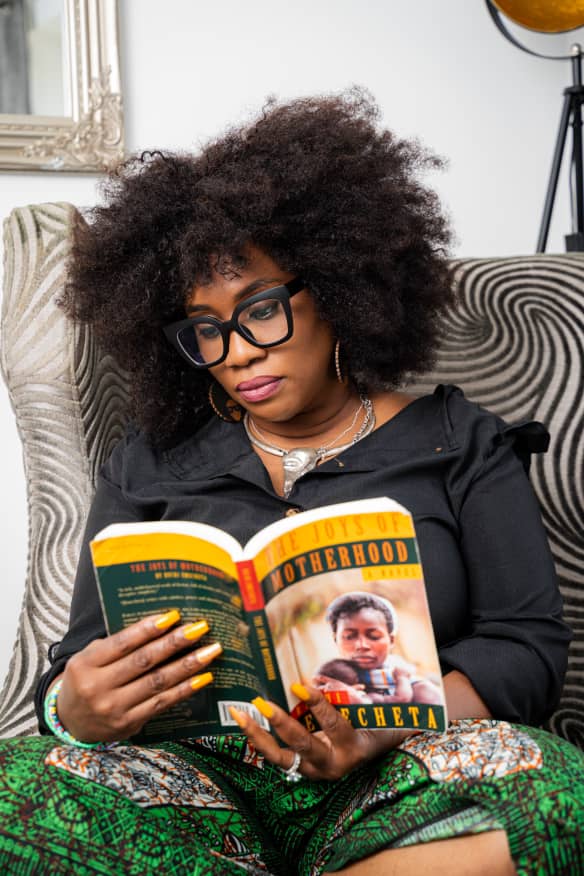
Anne-Rose at work
  1. 01

    Parents know their children best

    I equip, I don't override. My role is to give you tools, not tell you what your child needs.

  2. 02

    Bias operates everywhere, including in me

    Awareness without action changes nothing. I focus on what works, not what feels comfortable.

  3. 03

    Culture is strength, not barrier

    African values aren't obstacles to success in UK schools. They're assets when schools know how to recognise them.

  4. 04

    Evidence and experience both matter

    Research tells us what's happening. Lived reality tells us how it feels. Both inform my work.

  5. 05

    Information should be accessible

    No jargon. No gatekeeping. If I can't explain it simply, I haven't understood it well enough.

Not sure where to start? Talk to Anne-Rose.

Book a situation review and leave with a clear plan, or send a message and we'll point you to the right next step.

Anne-Rose | The African Parent