Growing up in South Africa, navigating the complexities of neurodiversity wasn't just challenging; it was a journey filled with misunderstandings, misconceptions, and missed opportunities for support. Like many in my community, my story began with silent struggles—feeling different without understanding why, and grappling with expectations that didn't align with my abilities.
It wasn't until well into my late teens that the possibility of being neurodiverse was even mentioned to me. For years, my difficulties with social interactions, sensory sensitivities, and learning differences were dismissed as quirks or behavioural issues. In a society that values conformity over individuality, anything deviating from the norm was seen as a deficit rather than a unique characteristic.
The impact of this delayed recognition was profound. Years of frustration, self-doubt, and confusion were compounded by attempts to fit into a mould that never quite fit. School became an anxiety-laden battleground where my potential often succumbed to the challenges of traditional teaching methods. Support systems were scarce, and societal stigma cast a shadow over my self-esteem.
Neurodiversity encompasses a spectrum of conditions such as autism, ADHD, dyslexia, and more—each bringing both strengths and challenges. Throughout much of Africa, these conditions often remain undetected or misdiagnosed due to limited awareness, cultural stigma, and insufficient resources for assessment and support. Countless children like me continue to slip through the cracks, their talents unrecognized and their needs unmet.
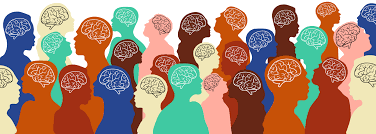
Early recognition of neurodiversity is crucial. It goes beyond academic performance; it involves nurturing a child's unique strengths and providing targeted support where necessary. For parents, accepting and understanding neurodiversity can be a journey in breaking cultural taboos and seeking scarce resources.
Supporting neurodiverse children means creating inclusive environments where they can thrive without fear of judgment or rejection. It requires advocating for educational reforms that accommodate diverse learning styles and fostering sensitivity and acceptance in communities and schools. Early intervention can significantly impact a child's academic, social, and emotional well-being.
As someone who has walked this path, I believe in the power of awareness and advocacy. By sharing our stories and pushing for change, we can create a future where neurodiversity is celebrated, not hidden or misunderstood. It's time to acknowledge that our differences are our strengths and that every child deserves the chance to reach their full potential, irrespective of their neurological makeup.
In embracing neurodiversity, we embrace the richness of human experience. Together, let's build a society where all children, African or otherwise, grow up knowing they are valued for who they are, neurodivergences and all.
Here are some valuable resources for further support and information:
Autism South Africa: Provides advocacy, support, and resources for individuals on the autism spectrum and their families. Autism South Africa
ADHD Awareness Month: Offers resources and support for individuals with ADHD and their families. ADHD Awareness Month
Dyslexia South Africa: Focuses on raising awareness about dyslexia and provides support for individuals and families affected by dyslexia. Dyslexia South Africa
Autism Society of Nigeria: Works to improve the quality of life for individuals with autism and their families through awareness and advocacy. Autism Society of Nigeria
Autism Support Network Uganda: Provides support, advocacy, and education for families and individuals affected by autism spectrum disorders in Uganda. ASN-U
Malawi Against Physical Disabilities (MAP): Supports individuals with disabilities in Malawi, including those with neurodiverse conditions. MAP Malawi
Down Syndrome Foundation Nigeria: Raises awareness, support and advocacy for individuals with intellectual disabilities and their families. DSFN
Autism Society: Provides information, support, and advocacy for individuals on the autism spectrum and their families. Autism Society
ADHD Awareness Month: Offers resources and support for individuals with ADHD (Attention-Deficit/Hyperactivity Disorder) and their families. ADHD Awareness Month
Dyslexia International: Focuses on dyslexia awareness, education, and support worldwide. Dyslexia International
Autism Speaks: Dedicated to promoting solutions for the needs of individuals with autism and their families through advocacy and support. Autism Speaks
International Dyslexia Association (IDA): Offers resources, conferences, and advocacy for individuals with dyslexia and related reading difficulties. International Dyslexia Association
ADDA - Attention Deficit Disorder Association: Provides information, resources, and support for adults with ADHD. ADDA
American Speech-Language-Hearing Association (ASHA): Offers information and resources related to speech, language, and hearing disorders. ASHA
Understood: Provides resources, support, and community for parents of children with learning and attention issues. Understood
Child Mind Institute: Offers resources, treatment options, and support for children with mental health and learning disorders. Child Mind Institute
These organisations play crucial roles in raising awareness, providing support services, and advocating for policy changes to create inclusive environments for neurodiverse individuals across Africa.